2150 Boggs Road
Suite 410
Duluth, GA 30096
https://unitorq.com
Phone: 770-446-7074
Fax: 770-447-1825
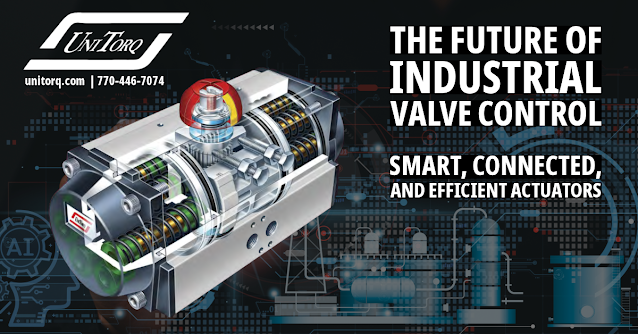
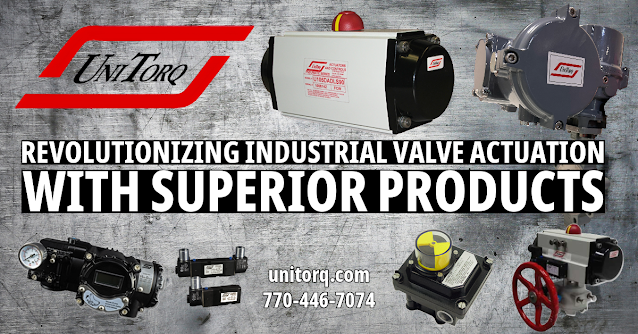
This blog intends to provide information about current technology and automation used on industrial and commercial automatic valves and dampers.
Integrating AI into valve actuators will enable predictive maintenance and intelligent decision-making. AI algorithms can predict potential failures and optimize maintenance schedules by analyzing real-time data from sensors and historical performance records. Thus, they will minimize downtime, reduce maintenance costs, and extend the lifespan of valve actuators. Additionally, AI-powered actuators can self-learn and adapt to changing process conditions, ensuring optimal performance and energy efficiency.
Adopting advanced wireless communication technologies, such as 5G and IoT (Internet of Things), will revolutionize valve actuator connectivity. Wireless communication will enable remote monitoring, control, and diagnostics of valve actuators, eliminating the need for physical site visits, improving operational efficiency, reducing response times, and enhancing safety in hazardous environments. Wireless networks will also facilitate seamless integration with other industrial devices and control systems, enabling real-time data exchange and collaborative decision-making.
The increasing digitalization of industrial processes will profoundly impact valve actuators. Digital twins, virtual replicas of physical assets, will become more prevalent. These digital models will simulate the behavior of valve actuators under various conditions, enabling predictive maintenance, performance optimization, and virtual commissioning. Cloud-based platforms allow centralized data storage, analysis, and remote access, facilitating data-driven decision-making and cross-functional collaboration.
As valve actuators become more connected and digitized, cybersecurity will be a critical consideration. Manufacturers will invest in robust security measures, such as encryption, secure communication protocols, and user authentication, to protect valve actuators from cyber threats. Regular security updates and patches will be essential to address evolving vulnerabilities and maintain the integrity of industrial control systems.
Valve actuator designs will evolve towards modular and interoperable architectures. Modular designs allow easy customization, upgradability, and maintenance, enabling end-users to adapt actuators to specific application requirements. Interoperability will ensure seamless integration with various industrial protocols and control systems, promoting flexibility and reducing integration costs.
Sustainability and energy efficiency will be critical drivers in the development of valve actuators. Manufacturers will focus on designing actuators with reduced power consumption, improved materials, and optimized performance. Advanced control algorithms and energy recovery systems will further enhance energy efficiency. Additionally, adopting eco-friendly materials and manufacturing processes will reduce valve actuators' environmental impact.
The next five years will witness significant advancements in pneumatic and electric industrial valve actuators driven by AI, wireless communications, and industrial digitalization. These technologies will enable predictive maintenance, remote monitoring, and intelligent decision-making, improving efficiency, reliability, and connectivity. As the industry embraces these advancements, valve actuators will become more innovative, secure, and sustainable, revolutionizing how industrial processes are controlled and optimized.
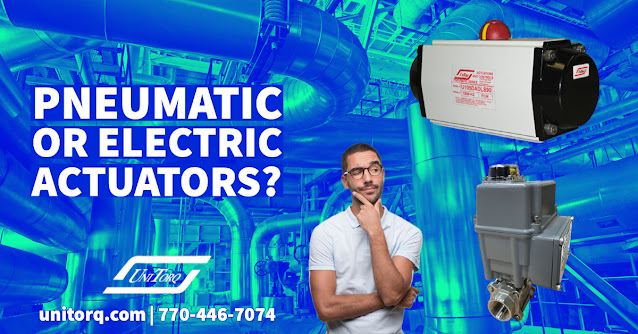
UniTorq Actuators and ControlsValve actuators are essential components in industrial process control systems, responsible for precisely controlling and regulating fluid flow. There are various valve actuators, but the two most commonly used in the industry are electric and pneumatic. The choice between electric and pneumatic valve actuators depends on the specific requirements of the application, including factors such as cost, accuracy, speed, and environmental conditions. In this article, we will discuss the advantages of electric and pneumatic valve actuators and outline the situations in which each type is better applied.
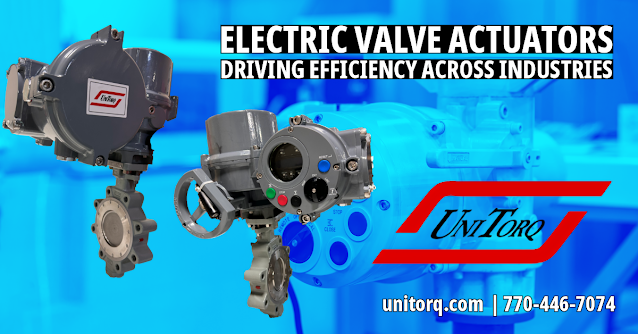
Electric valve actuators convert electrical energy into mechanical energy to control the opening and closing of valves. They are applied in industrial applications due to their accuracy, reliability, and ease of integration with digital control systems.
Best Applied In:
Pneumatic valve actuators use compressed air to control the opening and closing of valves. They are known for their robustness, high-speed operation, and ability to function in harsh environments.
Best Applied In:
Conclusion
When selecting between electric and pneumatic valve actuators, it is essential to consider the specific requirements of your industrial process control application. Electric actuators are best suited for precision control, energy efficiency, remote locations, and clean environments. In contrast, pneumatic actuators excel in high-speed operations, hazardous environments, high-torque applications, and fail-safe operations. By carefully evaluating these factors, you can choose the proper valve actuator to optimize your industrial process control system's performance, efficiency, and safety.
Enhanced Process Control and Efficiency
Small and medium-sized electric valve actuators allow for precise control of fluid flow rates and pressures, leading to more consistent and reliable processes. This, in turn, results in improved product quality and reduced waste, enhancing overall efficiency and profitability.
Energy Efficiency
Compared to their pneumatic and hydraulic counterparts, electric valve actuators consume less energy and require fewer auxiliary systems, such as air compressors or hydraulic power units. This reduction in energy consumption translates to significant cost savings and a smaller environmental footprint
Increased Safety
Chemical processing plants often involve hazardous materials and high-pressure systems. Electric valve actuators offer precise and reliable control, minimizing the risks associated with leaks, spills, and other process-related incidents. Additionally, their remote operation capabilities reduce the need for manual intervention, protecting plant personnel from potential exposure to hazardous environments.
Improved Diagnostics and Maintenance
Modern electric valve actuators come equipped with advanced diagnostics and monitoring capabilities, enabling real-time performance tracking and early identification of potential issues. This proactive approach to maintenance minimizes downtime, reduces repair costs, and ensures the long-term reliability of the actuators and associated equipment.
Scalability and Flexibility
Small and medium-sized electric valve actuators are compact and easily integrated into existing systems, making them ideal for retrofitting and upgrading applications. Their modular design allows for straightforward expansion and adaptation, ensuring that plants can readily adapt to evolving production requirements and regulatory standards.