Showing posts with label pneumatic actuators. Show all posts

UniTorq Pneumatic Actuators and SeniTec Limit Switches: The Complete Valve Package That Makes Budget Sense

Why Smart Engineers Are Choosing UniTorq and SeniTec for Valve Automation
Valve Automation Insights Engineering & Procurement
Industry Analysis  ·  Valve Automation

Why Smart Engineers Are Choosing UniTorq and SeniTec for Valve Automation

A high-quality, low-cost alternative to the legacy brands — and why once engineers make the switch, they rarely look back.

If you've spent any time sourcing valve automation components, you already know how quickly the costs can spiral out of control. Between the big-name manufacturers commanding premium prices and the off-brand imports that look good on paper until they don't, finding that sweet spot of reliability and affordability can feel like a full-time job. That's exactly why more engineers and procurement teams are discovering the combination of UniTorq pneumatic actuators and SeniTec limit switches and positioners — and why once they make the switch, they rarely look back.

What Makes Valve Automation So Complicated?

Let's be honest about the challenge. A valve automation system is only as good as every component in it. You need an actuator that delivers consistent torque across thousands of cycles, a limit switch or positioner that gives you accurate feedback in real time, and you need all of it to hold up under whatever your process throws at it — whether that's chemical exposure, extreme temperatures, or just the relentless grind of continuous operation.

The market is flooded with options. At one end, you have the legacy brands that have been around forever. Their products are proven, but you're paying for that legacy. At the other end, there are budget imports that cut corners in ways that don't always show up until you've got a process down and a maintenance crew scratching their heads. What's been missing for a lot of facilities is a genuinely capable, well-engineered solution that doesn't ask you to choose between performance and budget.

UniTorq and SeniTec together fill that gap better than almost anything else available right now — delivering real-world performance at a price point that holds up under scrutiny.

UniTorq Pneumatic Actuators: Built for the Real World

UniTorq has been engineering pneumatic actuators for decades, and the products they make at unitorq.com reflect a company that understands what happens to valve automation hardware in the field, not just in a test lab.

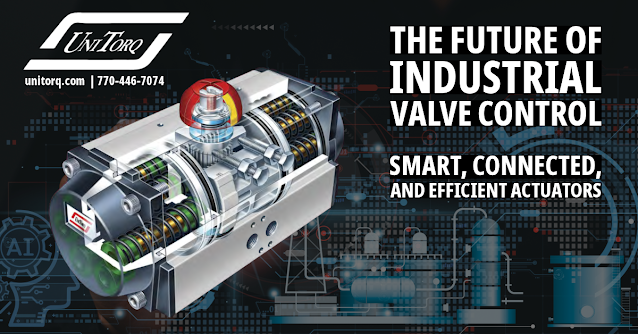
Their pneumatic actuators use a scotch-yoke or rack-and-pinion design depending on the application, and the engineering behind both is tight. The torque output is consistent, the seals are built to last, and the materials hold up to corrosive environments that would eat through inferior products in months. One of the things that sets UniTorq apart is the modularity of the design — you can configure actuators for a huge range of valve sizes and torque requirements without being forced into a custom-order situation that blows your lead time and your budget.

What does that mean practically? It means when you're automating a new line or retrofitting an existing one, you're not waiting weeks for a specialized unit. You're pulling from a platform that's designed to work across your application, with standardized mounting that integrates cleanly with the rest of your system.

The other thing people notice pretty quickly with UniTorq is the build quality relative to the price point. These aren't cheap in the sense of being flimsy — they're cost-effective because the manufacturing is efficient, not because corners are being cut. The bodies are precision-machined, the internal components are properly toleranced, and the units are tested before they ship. For most applications, they perform right alongside actuators that cost significantly more.

SeniTec Limit Switches and Positioners: Precision Without the Premium

If UniTorq gives you the muscle of the automation system, SeniTec handles the brains. The limit switches and positioners available at senitec.com are designed specifically for the valve automation space, and that focus shows in how well they integrate with the rest of a valve package.

The limit switches are available in multiple housing configurations — stainless, aluminum, and polycarbonate — so you can match the unit to your environment without over-specifying and overspending. The switching mechanisms are rated for serious cycle counts, and the electrical ratings cover everything from basic discrete I/O to the more demanding setups you find in process-heavy industries.

What really stands out about SeniTec's positioners is the combination of precision and simplicity. A lot of engineers have dealt with positioners that require extensive field calibration and then drift anyway, or that offer so many configuration options they become a challenge to set up quickly. SeniTec has found a balance — the positioners deliver accurate, repeatable positioning across the full stroke, they're straightforward to configure, and they stay calibrated over time. For facilities running modulating valve control applications, that translates directly into tighter process control and fewer maintenance headaches.

The signal compatibility is broad, covering 4-20mA and other common industrial standards, which means SeniTec positioners slot into existing control architectures without requiring infrastructure changes. That's a bigger deal than it sounds if you're adding automation to an existing plant rather than building from the ground up.

The Real Question: What Does the Alternative Actually Cost?

A lot of purchasing decisions in valve automation come down to a comparison of purchase price, and that analysis almost always understates the true cost of the more expensive option. When you buy into a premium brand, you're paying for the name, for the sales infrastructure, for the extensive product catalog that includes configurations you'll never need, and for margins that have been inflated by years of market dominance.

What you're usually not getting is a proportional improvement in performance for your specific application. For standard pneumatic valve automation — the kind that makes up the majority of industrial automation projects — the engineering differences between a premium actuator and a well-made mid-market actuator like UniTorq are marginal. The reliability difference, for most applications in most conditions, is negligible.

The math on SeniTec is similar. When you compare the cost of a SeniTec limit switch or positioner against comparable units from the major automation brands, the savings are real. Over the course of a full project with dozens or hundreds of valve assemblies, those savings compound into significant budget that can be redeployed into other parts of the system, or simply returned to the bottom line.

And here's what's not reflected in the purchase price comparison at all: because both UniTorq and SeniTec are designed to work together as part of a complete valve package, the integration is smooth. You're not troubleshooting compatibility issues between an actuator from one manufacturer and a positioner from another. The mounting interfaces, the feedback mechanisms, the overall package comes together cleanly, which reduces installation time and eliminates a category of field problems before they start.

Who Benefits Most from This Combination?

The UniTorq and SeniTec pairing makes the most sense for a few specific situations, and if any of them sound familiar, it's worth taking a closer look.

Budget-Constrained Projects

Capital projects almost always have pressure on automation budgets. When you can deliver the same functional performance at meaningfully lower cost, you protect scope and keep the project on track. This combination delivers genuine value without compromising the reliability of the finished system.

Retrofit & Expansion on Existing Facilities

When you're adding automation to a plant that's already running, standardization matters. UniTorq's broad range of actuator sizes and configurations makes it easier to find the right fit for existing valves, and SeniTec's signal compatibility keeps the new equipment talking cleanly to legacy control systems.

High Valve Count Applications

The economics of choosing UniTorq and SeniTec get more compelling as the valve count goes up. On a project with a hundred or more valve assemblies, the per-unit savings stack into numbers that are hard to ignore.

Environments Where Serviceability Matters

Both companies design their products for the realities of industrial service. UniTorq actuators are straightforward to service in the field, and replacement parts are available. SeniTec limit switches and positioners are built to last, and when service is needed, the process is simple — without the proprietary-parts headaches of some premium brands.

The Bottom Line

Valve automation doesn't need to be expensive to be good. The market has matured to the point where well-engineered, field-proven products are available at price points that make sense for real project budgets — and UniTorq and SeniTec are among the best examples of what that looks like in practice.

If you're evaluating options for an upcoming automation project, the combination deserves a serious look. Check out what UniTorq has available at unitorq.com and explore the SeniTec lineup at senitec.com. The products speak for themselves, and the savings are the kind that show up on a project summary and make the whole team look smart.

UniTorq’s Secret to 30+ Years of Success: Trust, Service, and Value

UniTorq’s Secret to 30+ Years of Success

Longevity in business often stems from a simple but powerful equation: quality products, exceptional service, and competitive pricing. At UniTorq Actuators and Controls in Duluth, Georgia, this equation has fueled more than three decades of success in the manufacturing and supply of pneumatic and electric actuators, limit switches, and positioners. The company's ability to "stand the test of time" provides a compelling example of what it takes to thrive in a competitive industry.

UniTorq's reputation for delivering high-quality products did not happen by accident. From day one, the company has prioritized craftsmanship and reliability. Each actuator, limit switch, and positioner reflects a commitment to durability and performance, meeting the rigorous demands of industrial applications. Customers know they can rely on UniTorq products to work seamlessly, even in the harshest conditions. That trust builds loyalty and sets the company apart from competitors who might cut corners in the name of lower costs.

But quality alone does not guarantee longevity. UniTorq couples its manufacturing excellence with a laser focus on customer service. The team understands that every customer has unique challenges, and they respond with tailored solutions, rapid response times, and genuine care. This level of service turns one-time buyers into lifelong partners and positions UniTorq as more than just a supplier—it becomes a trusted advisor.

Competitive pricing completes the equation. While some equate high quality with high cost, UniTorq strikes a balance. The company's ability to deliver superior products at fair prices allows its customers to maximize value without sacrificing performance. This approach ensures that clients view UniTorq not just as a vendor but as an essential part of their success.

Thirty years of growth and customer loyalty don't just happen. They require vision, effort, and an unwavering commitment to doing things correctly. UniTorq's story reminds us that longevity isn't a coincidence—it's the natural outcome of prioritizing quality, service, and value above all else. For those who partner with UniTorq, the benefits of that philosophy are apparent every day.

UNITORQ
2150 Boggs Road
Suite 410
Duluth, GA 30096
https://unitorq.com
Phone: 770-446-7074
Fax: 770-447-1825

The Evolution of Pneumatic and Electric Industrial Valve Actuators: AI, Wireless Communications, and Industrial Digitalization

The Evolution of Pneumatic and Electric Industrial Valve Actuators

Over the next five years, the industrial valve actuator market will undergo significant transformations driven by advances in artificial intelligence (AI), wireless communications, and industrial digitalization. These technologies will revolutionize how pneumatic and electric valve actuators operate, enabling enhanced efficiency, reliability, and connectivity in various industrial applications.

Artificial Intelligence Integration

Integrating AI into valve actuators will enable predictive maintenance and intelligent decision-making. AI algorithms can predict potential failures and optimize maintenance schedules by analyzing real-time data from sensors and historical performance records. Thus, they will minimize downtime, reduce maintenance costs, and extend the lifespan of valve actuators. Additionally, AI-powered actuators can self-learn and adapt to changing process conditions, ensuring optimal performance and energy efficiency.

Wireless Communication Advancements

Adopting advanced wireless communication technologies, such as 5G and IoT (Internet of Things), will revolutionize valve actuator connectivity. Wireless communication will enable remote monitoring, control, and diagnostics of valve actuators, eliminating the need for physical site visits, improving operational efficiency, reducing response times, and enhancing safety in hazardous environments. Wireless networks will also facilitate seamless integration with other industrial devices and control systems, enabling real-time data exchange and collaborative decision-making.

Industrial Digitalization

The increasing digitalization of industrial processes will profoundly impact valve actuators. Digital twins, virtual replicas of physical assets, will become more prevalent. These digital models will simulate the behavior of valve actuators under various conditions, enabling predictive maintenance, performance optimization, and virtual commissioning. Cloud-based platforms allow centralized data storage, analysis, and remote access, facilitating data-driven decision-making and cross-functional collaboration.

Cybersecurity Enhancements

As valve actuators become more connected and digitized, cybersecurity will be a critical consideration. Manufacturers will invest in robust security measures, such as encryption, secure communication protocols, and user authentication, to protect valve actuators from cyber threats. Regular security updates and patches will be essential to address evolving vulnerabilities and maintain the integrity of industrial control systems.

Modular and Interoperable Designs

Valve actuator designs will evolve towards modular and interoperable architectures. Modular designs allow easy customization, upgradability, and maintenance, enabling end-users to adapt actuators to specific application requirements. Interoperability will ensure seamless integration with various industrial protocols and control systems, promoting flexibility and reducing integration costs.

Sustainability and Energy Efficiency

Sustainability and energy efficiency will be critical drivers in the development of valve actuators. Manufacturers will focus on designing actuators with reduced power consumption, improved materials, and optimized performance. Advanced control algorithms and energy recovery systems will further enhance energy efficiency. Additionally, adopting eco-friendly materials and manufacturing processes will reduce valve actuators' environmental impact.

The next five years will witness significant advancements in pneumatic and electric industrial valve actuators driven by AI, wireless communications, and industrial digitalization. These technologies will enable predictive maintenance, remote monitoring, and intelligent decision-making, improving efficiency, reliability, and connectivity. As the industry embraces these advancements, valve actuators will become more innovative, secure, and sustainable, revolutionizing how industrial processes are controlled and optimized.

UniTorq Actuators and Controls
2150 Boggs Road, Suite 410
Duluth, GA 30096
https://unitorq.com
Phone: (770) 446-7074
Fax: (770) 447-1825

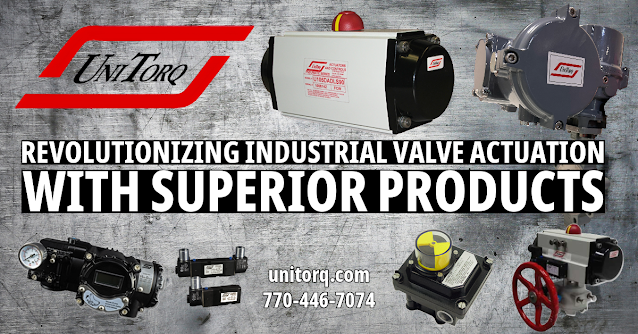
UniTorq: Revolutionizing Industrial Valve Actuation with Superior Products

UniTorq: Revolutionizing Industrial Valve Actuation with Superior Products

In the dynamic world of industrial automation, UniTorq stands out as a beacon of innovation and reliability. With a steadfast commitment to quality and performance, UniTorq has established itself as a leading manufacturer of industrial valve actuation products. 

Pneumatic and Electric Actuators

UniTorq's pneumatic and electric actuators are the cornerstones of their product line. These actuators are designed for precision and durability, ensuring consistent performance even in the most demanding environments. Pneumatic actuators offer powerful and efficient operation, making them ideal for high-tonality and high-speed applications. On the other hand, the electric actuators provide unparalleled accuracy and control, suitable for processes that demand precise positioning and smooth motion.

Senitec Valve Position Indicators

A unique offering from UniTorq is the Senitec range of valve position indicators. These indicators provide clear and accurate visual feedback on valve positions, enhancing safety and operational efficiency. Senitec position indicators withstand harsh conditions, ensuring reliable performance in various industrial settings. Senitec indicators are an essential tool for maintaining process integrity and minimizing downtime.

Declutchable Gear Overrides

Understanding the need for manual operation indicators in specific scenarios, UniTorq offers declutchable gear overrides. These overrides enable manual control of valves during power outages or system maintenance. They are easy to engage and operate, maintaining process control even without power. This feature is precious in critical applications where continuous operation is paramount.

NAMUR Mount Solenoid Valves

The NAMUR mount solenoid valves from UniTorq provide seamless integration with actuators. These valves offer fast and reliable switching, essential for controlling fluid flow in automated systems. Their compatibility with NAMUR standards ensures ease of installation and maintenance, making them popular among industry professionals.

Valve Positioners

At the forefront of UniTorq's technological advancements are its valve positioners. These positioners provide sophisticated control of valve positioning, adapting to varying process conditions. They are equipped with diagnostic capabilities, enabling predictive maintenance and reducing the likelihood of unexpected downtime. The Smart valve positioners are a testament to UniTorq's commitment to innovation and operational excellence.

UniTorq's range of industrial valve actuation products, including pneumatic and electric actuators, Senitec valve position indicators, declutchable gear overrides, NAMUR mount solenoid valves, and Smart valve positioners, represent the pinnacle of engineering and design. These products are not just components but integral parts of a system that drives efficiency, safety, and reliability in industrial processes. UniTorq continues to lead the way in industrial automation, offering solutions that meet the evolving needs of various industries.

UniTorq Actuators and Controls
2150 Boggs Road, Suite 410
Duluth, GA 30096
https://unitorq.com
Phone: (770) 446-7074
Fax: (770) 447-1825

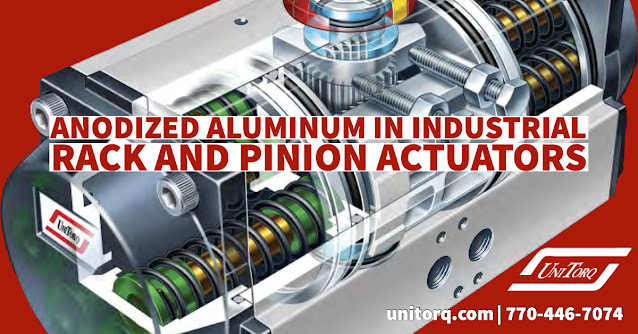
The Advantages of Using Anodized Aluminum in Industrial Rack and Pinion Actuators

The Advantages of Using Anodized Aluminum in Industrial Rack and Pinion Actuators

Rack and pinion actuators, widely used in industrial applications, deliver precise linear motion control. The preferred material for their construction is anodized aluminum due to its specific properties that enhance the performance and longevity of the actuators.

Anodized aluminum is lightweight, reducing the overall weight of the actuator system - a crucial factor in weight-sensitive industries like aerospace and automotive. Despite its lightweight, anodized aluminum retains considerable strength, making it suitable for applications demanding strength and durability.

The anodizing process converts the aluminum surface into a corrosion-resistant, anodic oxide finish, providing excellent protection from rust and other environmental corrosion. The thickness of this oxide layer depends on the type of anodizing—Type II or Type III—each providing different levels of corrosion resistance, surface hardness, and color vibrancy.

Type III, often called hard anodizing, forms a thicker oxide layer than Type II. This enhanced thickness results in superior wear resistance and durability, making it suitable for heavy-duty, high-wear applications. It also offers better resistance to high temperatures and produces a surface harder than tool steel. The downside of Type III is that it's less amenable to vibrant coloring due to its denser, less porous oxide layer and requires lower temperatures, higher current densities, and longer processing times.

In contrast, Type II anodizing, while producing a thinner oxide layer, is easier to color, making it more aesthetically adaptable. It's also a more cost-effective process, favoring applications where budget is a significant factor.

Anodized aluminum also offers high thermal conductivity, allowing effective heat dispersion, which is essential in applications where high heat could harm the actuator or shorten its lifespan. Furthermore, anodizing enhances the surface hardness of aluminum, which is beneficial for actuators operating in high wear-and-tear environments.

While anodized aluminum is a common choice, it's not universal, as the material selection depends on the application's specific requirements, environmental conditions, cost, and design constraints. Aesthetics also play, especially in consumer-facing applications, as anodized aluminum can be easily dyed to fit various color preferences.

The choice between Type II and Type III anodizing depends on the application requirements. Type III is the better choice for applications requiring maximum hardness and wear resistance, while Type II is preferable for cost-sensitive or aesthetically-focused applications.

https://unitorq.com
770-446-7074

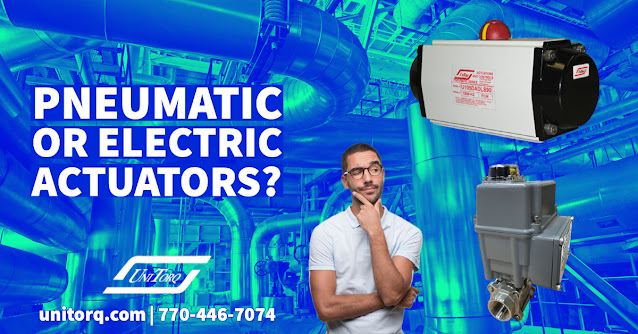
Electric vs. Pneumatic Valve Actuators: Which One to Choose for Industrial Process Control Applications

Electric vs. Pneumatic Valve Actuators: Which One to Choose for Industrial Process Control Applications

Valve actuators are essential components in industrial process control systems, responsible for precisely controlling and regulating fluid flow. There are various valve actuators, but the two most commonly used in the industry are electric and pneumatic. The choice between electric and pneumatic valve actuators depends on the specific requirements of the application, including factors such as cost, accuracy, speed, and environmental conditions. In this article, we will discuss the advantages of electric and pneumatic valve actuators and outline the situations in which each type is better applied.


Electric Valve Actuators


Electric valve actuators convert electrical energy into mechanical energy to control the opening and closing of valves. They are applied in industrial applications due to their accuracy, reliability, and ease of integration with digital control systems.


Best Applied In:


  1. Precision control: Electric actuators offer high accuracy, making them ideal for applications requiring precise fluid flow control, such as chemical processing or pharmaceutical manufacturing.
  2. Remote locations: Electric actuators are easily integrated with digital control systems, allowing for remote monitoring and control. This feature is especially useful in remote areas, where it might be challenging to maintain pneumatic systems.
  3. Energy efficiency: Electric actuators consume energy only when in operation, making them more energy-efficient than pneumatic actuators, which require a continuous air supply.
  4. Clean environments: Electric actuators do not require compressed air and do not emit exhaust, making them suitable for cleanroom applications or processes where contamination is a concern.


Pneumatic Valve Actuators


Pneumatic valve actuators use compressed air to control the opening and closing of valves. They are known for their robustness, high-speed operation, and ability to function in harsh environments.


Best Applied In:


  1. High-speed operations: Pneumatic actuators have a faster response time than electric actuators, making them ideal for high-speed processes, such as packaging and assembly lines.
  2. Hazardous environments: Pneumatic actuators can operate in environments with high levels of dust, moisture, or explosive gases, where electric actuators might pose a risk due to their potential to generate sparks.
  3. High-torque applications: Pneumatic actuators can generate a higher torque than electric actuators of comparable size, making them suitable for applications with large, heavy valves or high-pressure fluid flow.
  4. Fail-safe operation: Pneumatic actuators can be designed with a fail-safe feature that allows the valve to automatically return to a predetermined safe position in case of air supply failure, making them ideal for safety-critical applications.


Conclusion


When selecting between electric and pneumatic valve actuators, it is essential to consider the specific requirements of your industrial process control application. Electric actuators are best suited for precision control, energy efficiency, remote locations, and clean environments. In contrast, pneumatic actuators excel in high-speed operations, hazardous environments, high-torque applications, and fail-safe operations. By carefully evaluating these factors, you can choose the proper valve actuator to optimize your industrial process control system's performance, efficiency, and safety.


UniTorq Actuators and Controls
2150 Boggs Road, Suite 410
Duluth, GA 30096
Phone: (770) 446-7074

Fax: (770) 447-1825

The Difference Between Direct Acting and Spring Return Pneumatic Actuators

The Difference Between Direct Acting and Spring Return Pneumatic Actuators

Pneumatic actuators are devices that convert compressed air energy into mechanical motion to perform work, typically by linear or rotary movement. There are two main types of pneumatic actuators: direct acting and spring return.

Direct Acting Pneumatic Actuators:
These actuators use compressed air to drive the piston or diaphragm in one direction, producing linear or rotary motion. When air pressure is applied to one side of the piston or diaphragm, it moves in the corresponding direction, and when air pressure is removed, it remains in that position due to the air pressure acting against the opposite side. Direct acting actuators are typically used in applications where a steady state position is maintained after the actuator is actuated.

Spring Return Pneumatic Actuators:
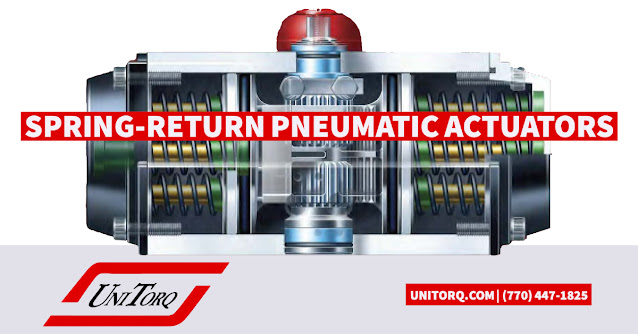
These actuators are similar to direct acting actuators, but they have a spring mechanism that returns the actuator to its original position when the air supply is stopped or the pressure is reduced. The spring is typically compressed when air pressure is applied to one side of the piston or diaphragm, driving it in the corresponding direction. When the air pressure is removed, the spring expands, returning the actuator to its original position. Spring return actuators are commonly used in safety-critical applications, such as emergency shutdown systems or safety valves, where it is important to ensure that the actuator returns to a safe position in the absence of air pressure.

In summary, the main difference between direct acting and spring return pneumatic actuators is that the former uses compressed air to maintain its position, while the latter has a spring mechanism that returns it to its original position when the air supply is stopped or the pressure is reduced.

UniTorq Actuators and Controls
2150 Boggs Road, Suite 410
Duluth, GA 30096
Phone: (770) 446-7074
Fax: (770) 447-1825

Rack and Pinion Actuators

Rack and Pinion Actuators

Rack and pinion actuators are preferred for operating valves because they offer several advantages over other actuators. They are relatively simple and easy to maintain, with few moving parts. They are also compact, allowing for use in tight spaces. Additionally, rack and pinion actuators provide precise control over the valve, with high repeatability and accuracy. They are also capable of handling high torque loads, making them suitable for use with large valves. Overall, rack and pinion actuators are reliable, efficient, and cost-effective options for valve actuation.

UniTorq Actuators and Controls


UniTorq's basic principle is our complete dedication to customers' needs through the manufacture and distribution of superior products and dependable service and support, carried out in a continually improving process.

UniTorq supports customers through knowledgeable and dedicated sales and support staff that can assist in selecting the proper actuator based on valve data and endpoint operating criteria. In addition, we maintain an extensive supply of product inventory on hand to quickly fulfill orders and reduce wait times. Our sales and support staff are readily available and accessible so that customers get the answers they need quickly.

At UniTorq, quality means performance. Testing is performed both at the factory and warehouse before getting a UniTorq. With manufacturing processes that strive for continuous improvement and exhaustive performance testing, we are confident that our products meet or exceed all applicable standards before leaving our facility.

UniTorq Actuators and Controls
2150 Boggs Road, Suite 410
Duluth, GA 30096
Phone: (770) 446-7074
Fax: (770) 447-1825


Basic Concepts for Sizing Spring Return Pneumatic Actuators

Spring Return Actuators

Sizing a direct-acting pneumatic actuator is relatively simple. A fixed air supply can only power the actuator. You're good to go if you have enough actuator torque at a given supply pressure to open and close your valve (plus a safety factor). 

Spring-return actuators, on the other hand, present an additional sizing challenge. The supply air energizes the actuator in one direction (open/close) and the internal springs in the opposite direction (close/open) in a spring-return actuator. Because there are two energy sources, you must consider four torques and compare them to the required valve torque:

  • Air Start - naturally has a higher value because it works opposite a decompressed spring.
  • Air End - naturally has a lower value because it's working opposite a compressed spring.
  • Spring Start - naturally provides a higher value because it starts compressed and then expands.
  • Spring End - naturally has a lower value because it loses "strength" as it decompresses.

Most actuators also include a variety of "spring packages," which are different spring combinations that produce more or less spring torque. But don't forget about the inverse relationship between air and spring. 

A spring torque value may be sufficient at first, but as the spring "relaxes," the torque will decrease and may not be adequate to overcome the valve torque threshold. In contrast, the torque provided by the air supply at startup may be sufficient to overcome the valve and the relaxed spring, but it may fail as the spring compresses. Because of the spring/air torque relationship, you may need to switch between several actuator model sizes to provide the required torque. 

This post is, of course, a simplified explanation of the considerations when sizing pneumatic actuators. There are many other factors you must consider for proper sizing. Before using any pneumatic actuator, always seek an expert's professional installation and application advice.